Picture this: your vibrant tropical fish huddling together, chattering their tiny teeth because the water’s too chilly. Hilarious in a cartoon, but a real bummer in your home aquarium! If you’ve ever wondered why your fish seem sluggish or stressed, it might just be the temperature. That’s where the best aquarium heaters of 2025 come in to save the day – or rather, the swim. Whether you’re a newbie setting up your first tank or a seasoned aquarist upgrading your setup, finding the right heater can make all the difference. Let’s dive into everything you need to know to keep your underwater pals toasty and thriving.

Why Every Aquarium Needs a Reliable Heater
Think of your aquarium as a mini ocean or river – fish are picky about their water temp, just like we are about our room temperature. Too cold, and they slow down, get sick, or worse. Too hot, and it’s like a fishy sauna gone wrong. A good heater keeps things stable, mimicking their natural habitat. I remember when I first started with my betta tank; without a heater, my little guy looked like he was auditioning for a role in Frozen. Lesson learned!
But why bother? Well, most tropical fish thrive between 75-80°F (24-27°C). Without a heater, room temps can fluctuate wildly, stressing your fish out. And stressed fish? They’re prone to diseases. Plus, a steady temp boosts their colors, energy, and even breeding. It’s like giving them a cozy blanket in their watery home.
The Science Behind Fish Temperature Needs
Fish are ectotherms – they rely on external heat sources. In the wild, rivers and oceans provide that. In your tank, it’s up to you. Ever seen a fish gasp at the surface? That could be from temperature swings affecting oxygen levels. Keeping it consistent is key to happy, healthy fish.
Signs Your Tank is Too Cold (or Too Hot!)
How do you know if your heater’s slacking? Watch for these clues:
- Lethargic fish hiding at the bottom – too cold!
- Fish gulping air at the top – too hot or low oxygen.
- Sudden algae blooms or cloudy water – temp imbalance at play.
- Loss of appetite – nobody eats when they’re uncomfortable.
If you spot these, grab a thermometer (check out our guide on best aquarium air pumps for better oxygenation too) and adjust accordingly.
Types of Aquarium Heaters: Which One is Right for You?
Not all heaters are created equal. It’s like choosing shoes – some are for running, others for dancing. Pick based on your tank size, fish type, and setup. Here’s the lowdown on the main types.
Submersible Heaters
These bad boys go fully underwater, heating evenly. They’re the most popular for good reason – easy to install, adjustable, and hideable behind plants. Perfect for beginners. Pro tip: Pair with best plants for betta fish for a natural look.
Immersible Heaters
Only the bottom dips in, with controls above water. Old-school but reliable for small tanks. Just don’t let them run dry!
Substrate Heaters
Buried under gravel, they warm from the bottom up. Great for planted tanks, promoting root growth. Installation’s a bit fiddly, though – like burying treasure.
Filter Heaters
Integrated into your filter system. Efficient for large setups, but check compatibility with your best canister filters.
Most folks go submersible for versatility. Question: What’s your tank style? Share in the comments!
:strip_icc()/GettyImages-1131223149-7151fa064bea416cbcbc8913b80c4cc1.jpg)
How to Size Your Aquarium Heater Perfectly
Size matters – too small, and it works overtime; too big, and temps spike. Rule of thumb: 3-5 watts per gallon. For a 20-gallon tank, aim for 60-100 watts. Factor in room temp too – colder rooms need more power.
Use this quick guide:
- 5-10 gallons: 25-50W
- 20-30 gallons: 75-150W
- 40-55 gallons: 200-300W
- 75+ gallons: 300W or multiple heaters
Analogy time: It’s like picking a blanket – too thin, you’re cold; too thick, you’re sweating. Always double-check with a calculator online or app. And if you have turtles, see our best turtle filters for warm-water setups.
Must-Have Features for the Best Aquarium Heaters
Don’t just grab any heater – look for these gems to avoid headaches:
- Adjustable Thermostat: Fine-tune temps easily.
- Auto Shut-Off: Prevents overheating if water levels drop.
- Shatterproof Material: Quartz or titanium for durability.
- LED Display: See temps at a glance.
- Suction Cups: Secure mounting.
- Overheat Protection: Safety first!
These features make maintenance a breeze. I once had a basic heater without auto-off – let’s just say it was a hot mess until I upgraded.
Our Top 10 Picks for the Best Aquarium Heaters in 2025
After scouring reviews, testing temps, and chatting with fellow fish lovers, here are our top picks. We focused on reliability, ease, and value. Each one’s a winner for different needs.
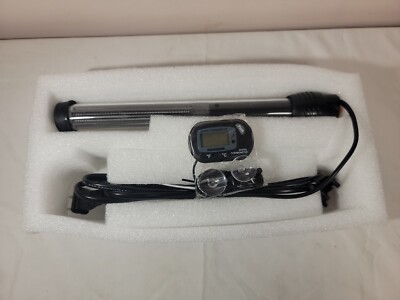
#1: Orlushy Submersible Aquarium Heater
This champ tops our list for its bang-for-buck vibe. Adjustable from 68-89°F, it’s perfect for mid-size tanks. Users rave about its accuracy – no more guessing games.
- Pros: Explosion-proof quartz glass, includes thermometer, easy install.
- Cons: Cord could be longer for big tanks.
Ideal for tropical setups. Check it out on Amazon.
#2: Fluval E Electronic Heater
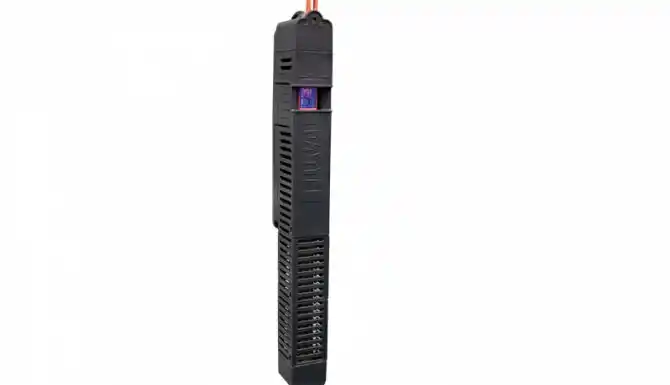
For tech-savvy aquarists, this one’s a dream with its digital display and dual sensors. Heats large tanks evenly, with color-coded alerts for temp changes.
- Pros: Precise 0.5°F adjustments, fish guard, reliable brand.
- Cons: Pricier, but worth it.
Great for serious hobbyists. Grab it here on Amazon.
#3: HITOP Adjustable Aquarium Heater
Budget-friendly yet sturdy, this heater shines in small tanks. Adjustable dial and compact design make it a fave for betta bowls. (Link to how to care for betta fish.)
- Pros: Affordable, easy to use, good for nano tanks.
- Cons: Temp can drift slightly over time.

#4: FREESEA Fish Tank Submersible Heater
Compact with external controls – no wet hands needed! Digital display keeps you in the know. Suits small to medium tanks beautifully.
- Pros: Flat design saves space, accurate readings.
- Cons: Minor fluctuations in very small setups.
Perfect if you’re tight on space. See more on cleaning with how to clean a used fish tank.

#5: Tetra HT Submersible Aquarium Heater
Simple and reliable for beginners. Preset to 78°F – set it and forget it. Works well in small tanks without fuss.
- Pros: No adjustments needed, indicator light, budget pick.
- Cons: Not adjustable for custom temps.

#6: Aqueon Preset Aquarium Heater
Shatter-resistant and safe, with auto shut-off. Preset temp makes it idiot-proof (speaking from experience!).
- Pros: Durable, LED indicator, versatile placement.
- Cons: Best for smaller tanks.
Link to best goldfish food for cold-water fish tips.

#7: Hygger Aquarium Heater
Mini but mighty, with LED display. Great for bettas or nano tanks. Quick heating and overheat protection keep things safe.
- Pros: Compact, accurate, affordable.
- Cons: Short cord for larger setups.
Ideal for changing betta water routines.

#8: Eheim Jager Aquarium Heater
Precision German engineering – calibratable for spot-on temps. Shatterproof and fully submersible.
- Pros: Ultra-accurate, durable, long-lasting.
- Cons: Higher price point.
For saltwater fans, pair with best saltwater test kit.
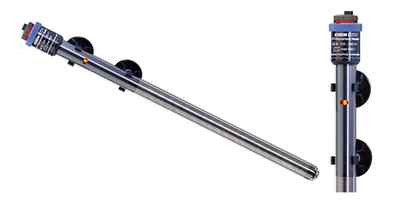
#9: Finnex Titanium Aquarium Heater
Titanium build for corrosion resistance – perfect for marine tanks. Fast heating and compact.
- Pros: Indestructible, precise control, guard included.
- Cons: Needs separate controller for best use.

#10: Marineland Precision Aquarium Heater
Advanced mica core for even heat. Adjustable and safe with thermal switch.
- Pros: Long-lasting, easy scale viewing, auto shut-off.
- Cons: Occasional random stops.
Great for snail-inclusive tanks.

Comparison Table: Find Your Perfect Match
| Model | Wattage | Tank Size | Key Feature | Price Range |
|---|---|---|---|---|
| Orlushy | 200W | 30-40 gal | Explosion-proof | $20-30 |
| Fluval E | 300W | 75-100 gal | Digital display | $50-60 |
| HITOP | 25W | 5-10 gal | Compact | $10-15 |
| FREESEA | 50W | 1-10 gal | External controls | $15-20 |
| Tetra HT | 100W | 2-10 gal | Preset temp | $15-20 |
| Aqueon | 200W | 5-75 gal | Shatter-resistant | $20-30 |
| Hygger | 50W | Up to 5 gal | LED display | $15-25 |
| Eheim Jager | 300W | 159-264 gal | Calibratable | $40-50 |
| Finnex | 500W | Large tanks | Titanium | $40-50 |
| Marineland | 400W | Up to 125 gal | Mica core | $30-40 |
Easy Installation Tips for Your New Heater
Setting up? Piece of cake! Follow these steps:
- Unbox and read the manual – boring but vital.
- Attach suction cups and place near filter outflow for even heat.
- Plug in, set temp, wait 15 mins before adding fish.
- Monitor with a separate thermometer for accuracy.
If you’re acclimating new fish, check how to acclimate fish.
Common Mistakes Aquarium Owners Make (And How to Avoid Them)
We’ve all been there – here’s how to dodge the pitfalls:
- Forgetting to unplug during water changes: Boom, fried heater. Always unplug!
- Ignoring calibration: Test with a thermometer. Adjust as needed.
- Overcrowding the tank: More fish = more heat needed. Space them out.
- Skipping maintenance: Clean gently to avoid damage.
- Buying cheap knockoffs: Invest in quality to avoid failures.
Funny story: A friend forgot to unplug – his heater sparked like fireworks. Fish were fine, but lesson learned! For algae issues from temp swings, see how to get rid of brown algae.

FAQs About Aquarium Heaters
Do I really need a heater for my fish tank?
Yes, if you have tropical fish. Goldfish might be okay without, but check our best aquarium sand for cold-water setups.
How often should I replace my aquarium heater?
Every 1-2 years, or if it malfunctions. Regular checks save lives!
Can I use a heater in a saltwater tank?
Absolutely – choose corrosion-resistant ones like titanium. Pair with best LED lights.
What’s the best way to hide a heater in the tank?
Behind plants or decorations. Natural and functional!
Why is my heater not heating evenly?
Poor water flow – add a pump or reposition. See Fluval filter review for better circulation.
Final Thoughts: Keep Your Underwater World Warm
There you have it – the ultimate scoop on the best aquarium heaters of 2025. Whether you go for the budget-friendly Orlushy or the high-tech Fluval, your fish will thank you with brighter colors and happier swims. Remember, a warm tank is a happy tank! If you’re into more fish fun, explore SunSun canister filters or how to catch hogfish. What’s your go-to heater? Drop a comment below. Happy fishkeeping!